Vallhonrat Ethnographic Museum

eric

Centenary of Artist Pons Cirac

THE VALLHONRAT MUSEUM FOUNDATION EXHIBITS ART AT THE STREET FEET

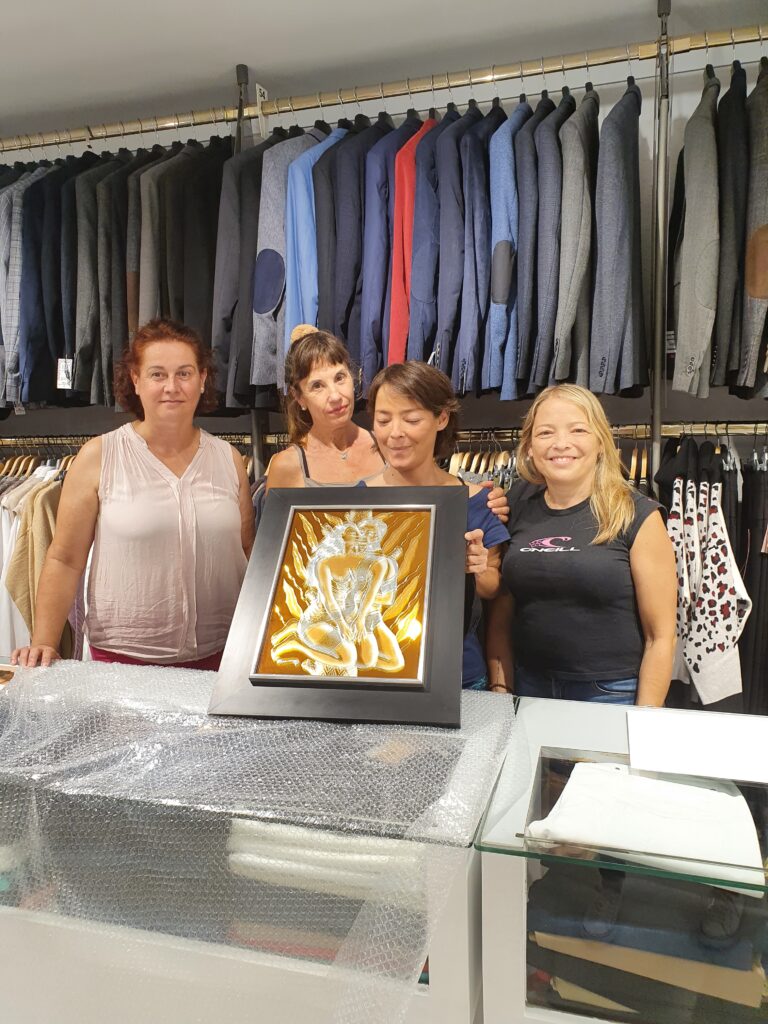
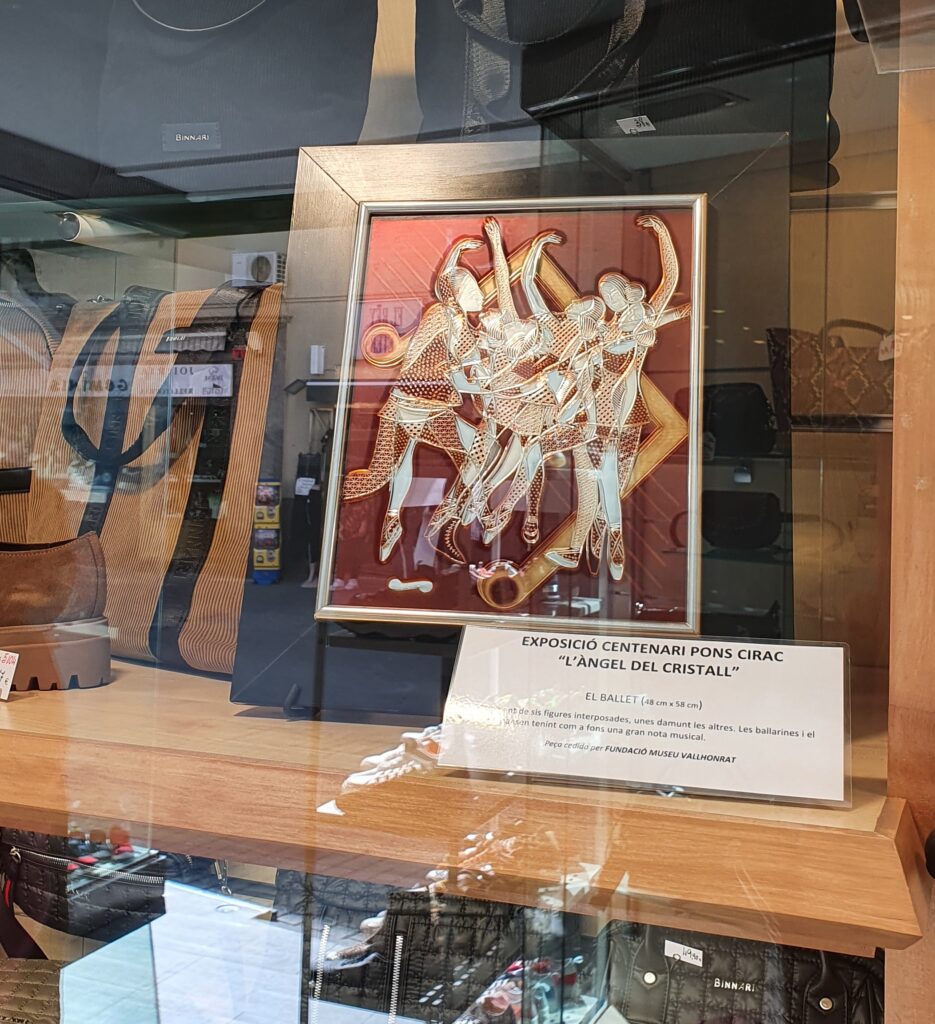
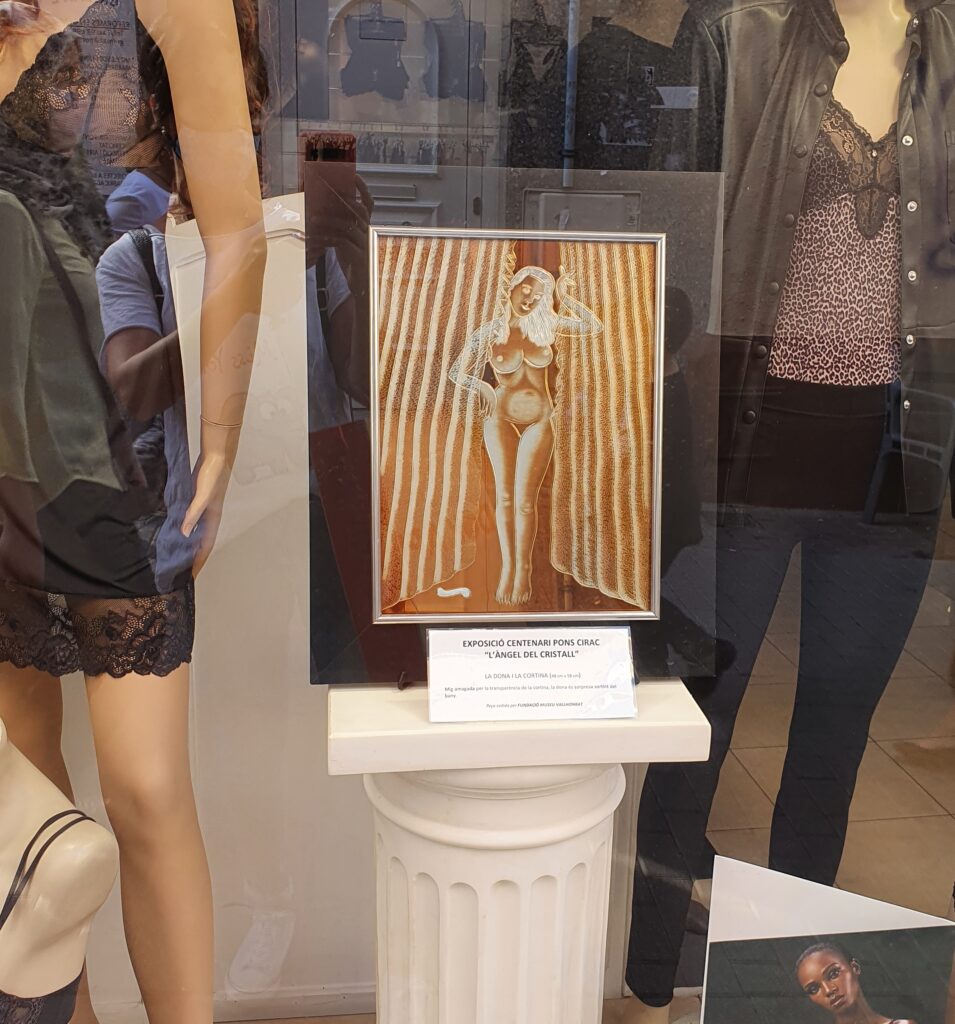
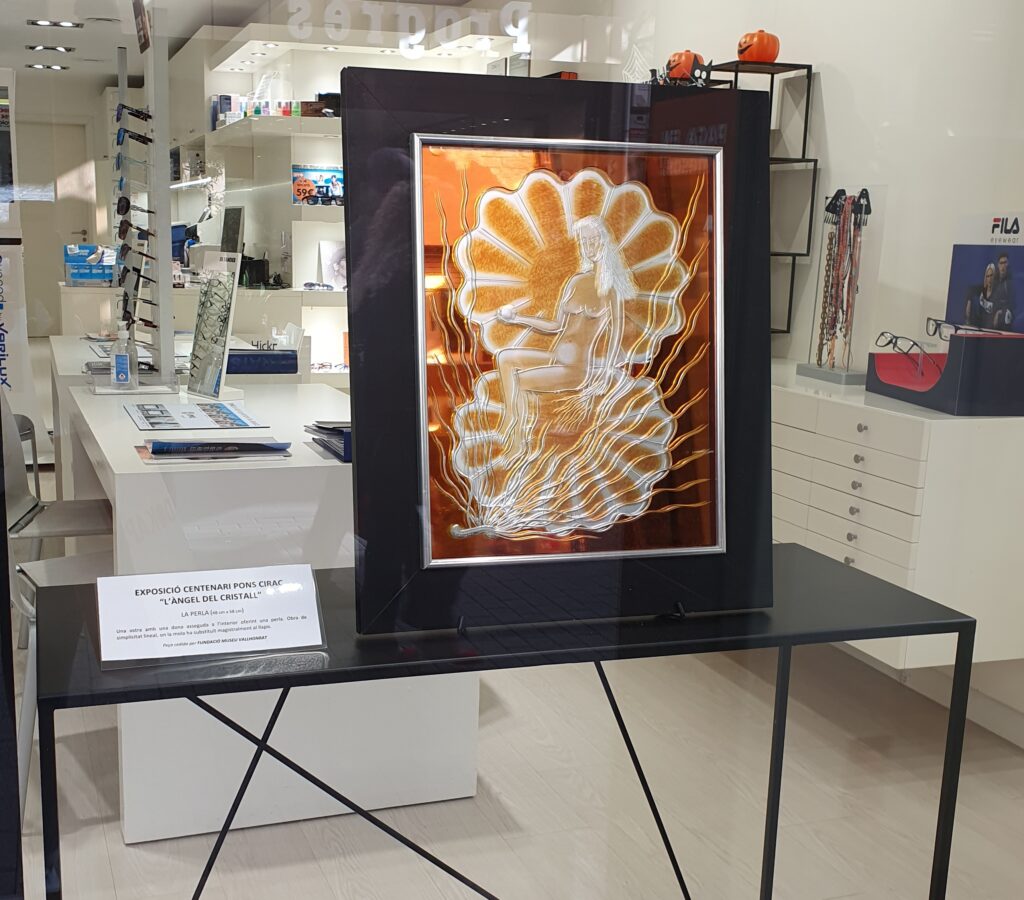
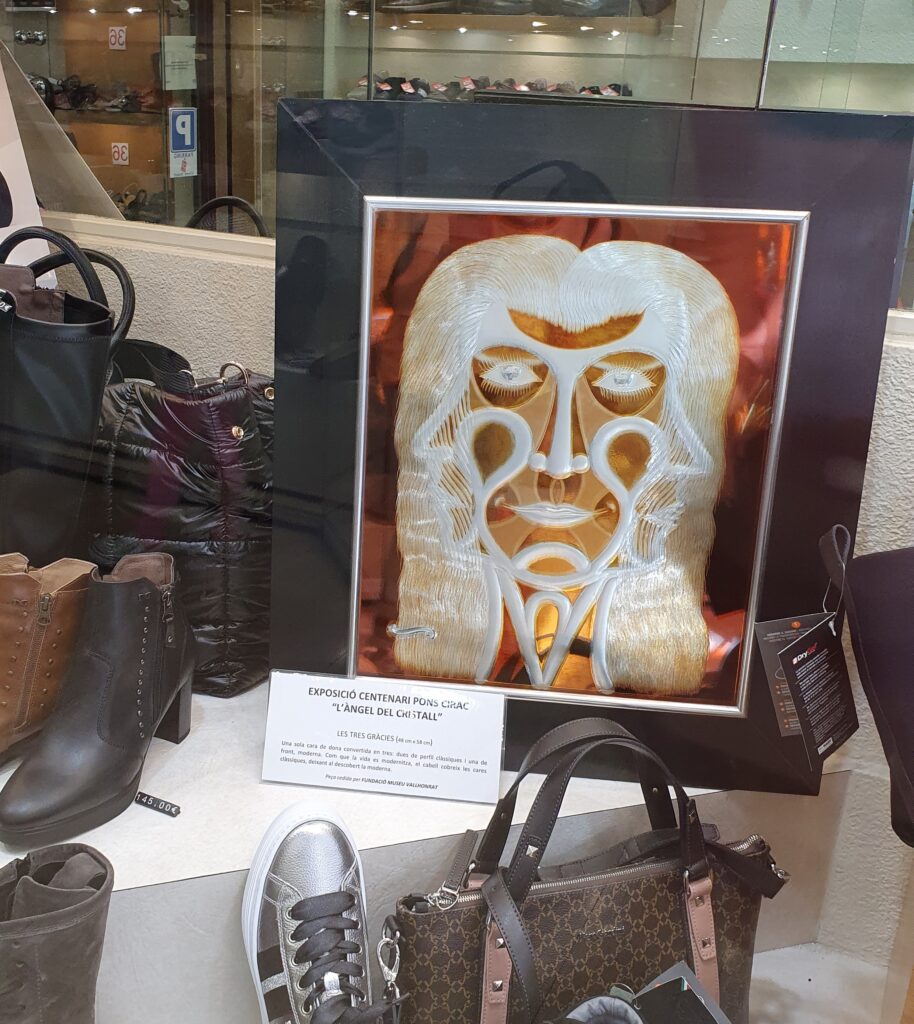
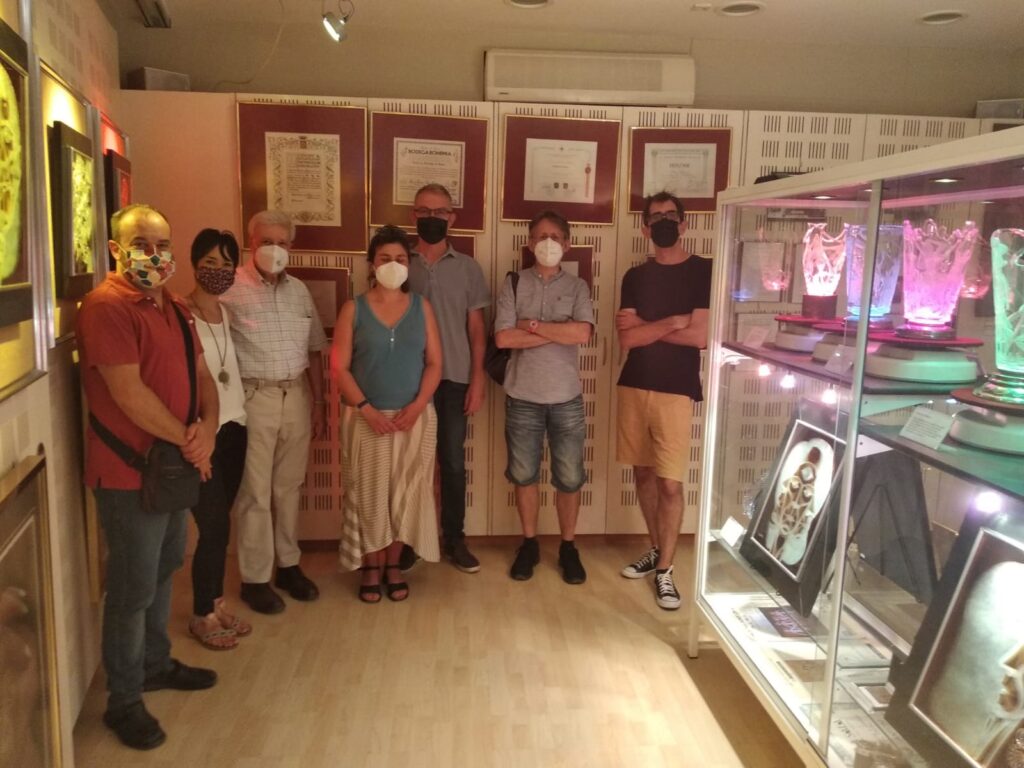
To commemorate the centenary of the artist Pons Cirac “The Crystal Angel”, sixteen commercial windows in the city and the Municipal Museum (MNUC), will host from October 1 to 24, 2021, a unique piece designed by the artist and loaned by the Vallhonrat Museum Foundation, which has the most extensive collection in the world exhibited in its facilities.

The paintings and the plate on display are created with a unique technique, an indisputable mark of quality and perfection, which offers surprising, very curious perspectives and, depending on the angle of view of the observer, generates reflections, light mutations and forms in constant metamorphosis.

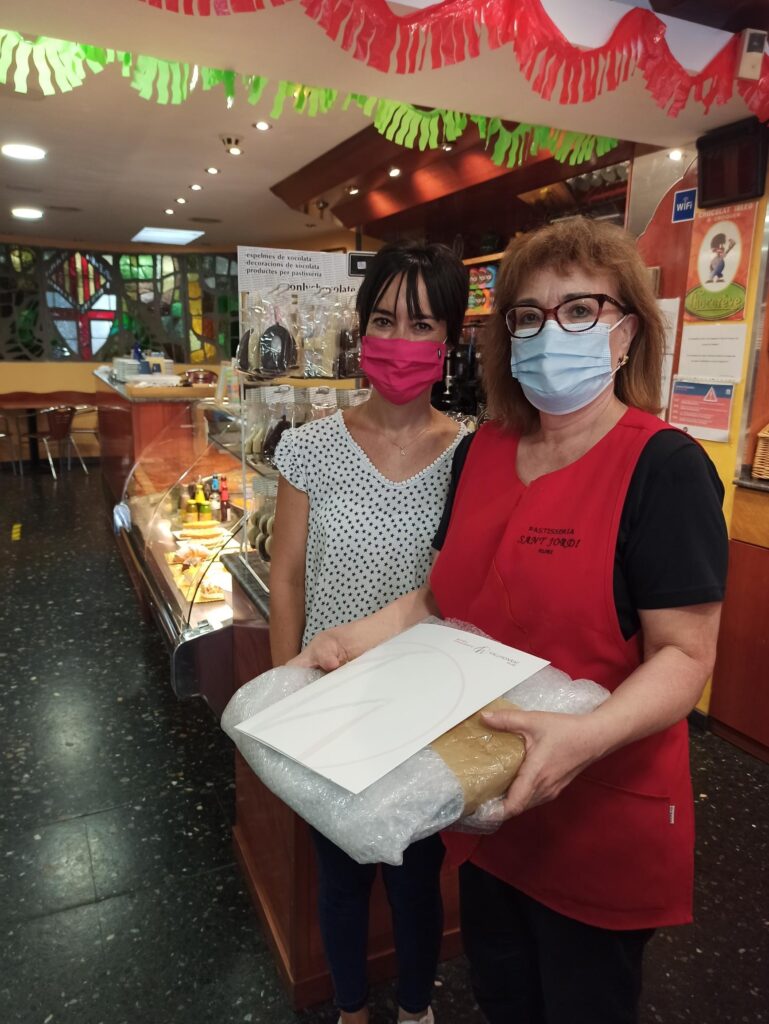
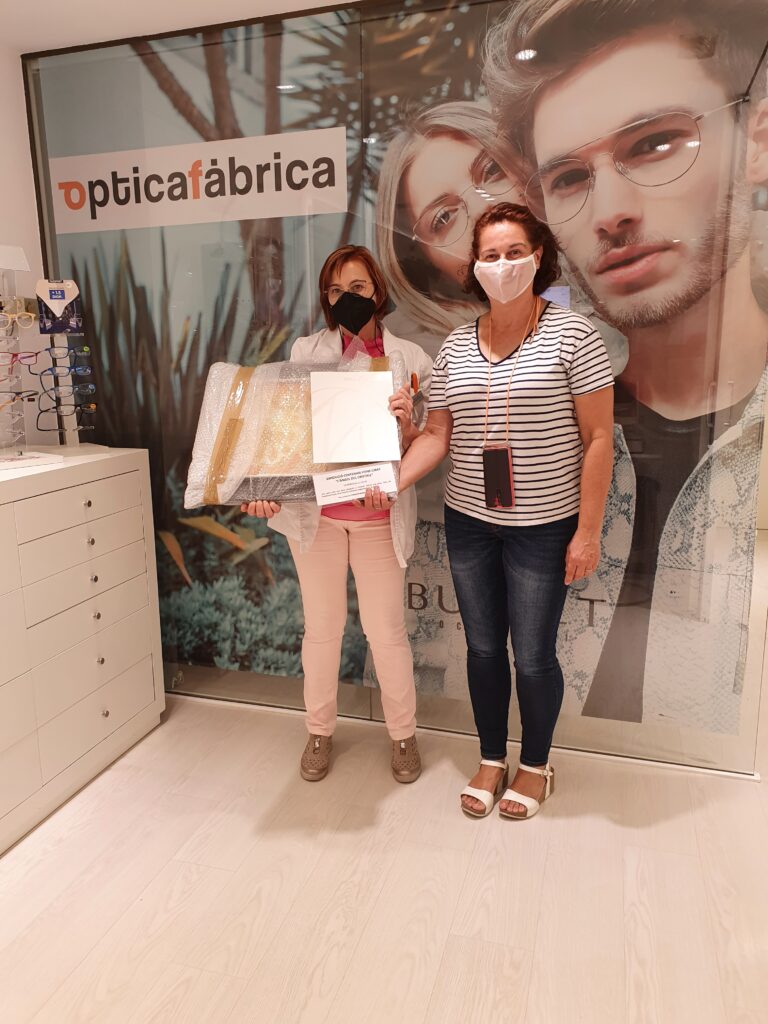
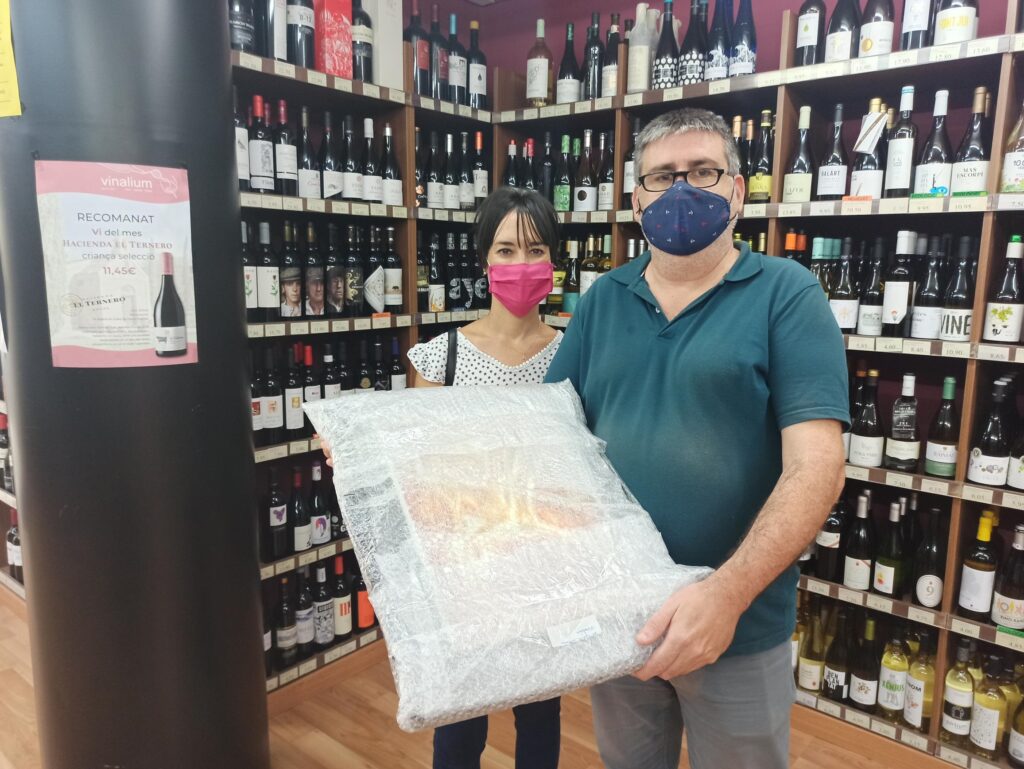
A cultural and artistic initiative that has been possible thanks to the good understanding between the Vallhonrat Museum Foundation and: Llera (The Trunk of Life), MarGa (The Woman and the Curtain), DAU Jocs (Chess), Racó del llibre (The Don Quixote Trilogy), Llibreria L’Ombra (Woman Sitting on a Trunk), Lectors, al tren! (Maternity), Rellotgeria Alonso (Woman at the Fountain), Vinalium (Catalan Allegory), Pastisseria Sant Jordi (Plato de Sant Jordi), La Lyonesa (The Hands of Pons Cirac), Vila Electrollar (The Inferno), Óptica Fàbrica (The Pearl), Calçats Bendranes (The Ballet), Martínez Navarro (The Nautical), Calçats Progrés (The Three Graces), Museu Municipal Castell (The Perversity) and Finques Vallhonrat (Woman Sitting), which are the main protagonists of this pioneering initiative in the municipality.

Vallhonrat and Edra Museum

THE VALLHONRAT MUSEUM FOUNDATION AND EDRA, COMMEMORATE THE CENTENARY OF PONS CIRAC

This is the second time that the EdRa School of Art and Design and the Vallhonrat Museum Foundation have joined forces to work together, this time on a local proposal to redesign the entrance area to the museum complex in September 2021.

Through the Creative Talent and Business program and with the aim of creating an original interior design proposal, in the central part of the garden to commemorate the centenary of the birth of the artist Pons Cirac, through light, reflections and color, characteristic features of his work.

The commission is part of a program of events that will have the collaboration of educational centers and some local businesses and entities, with the aim of disseminating and giving the work of this artist known by the nickname The Angel of Glass the importance it deserves.

The museum has the most important collection in the world, made up of a hundred pieces: vases, paintings, work tools and awards that offer surprising and very curious perspectives, the result of meticulous and painstaking work, where the slightest mistake was impossible to rectify.

Pere Vallhonrat, president of the Vallhonrat Museum Foundation in Rubí, together with the Pons Cirac family, determined that this museum space would be ideal for maintaining the internationally prestigious work in perfect condition.

60 years

More than six decades of history at the Vallhonrat Ethnographic Museum (1960-2020)

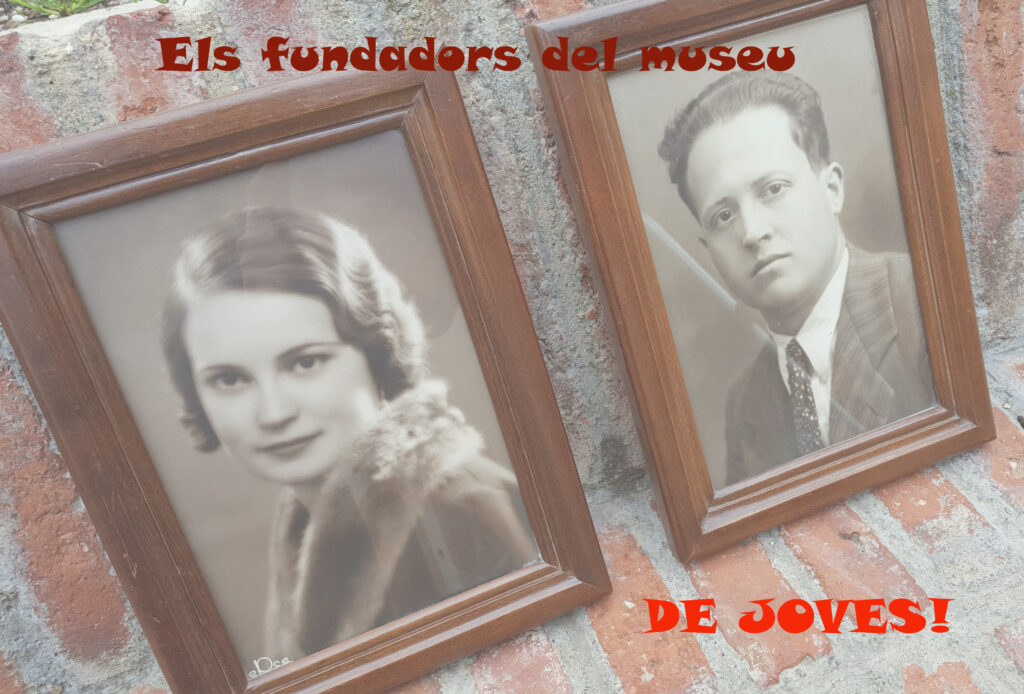
More than six decades have passed since the founder of the Museum, Miquel Vallhonrat Brau, property administrator and lover of antiques, dedicated part of his free time to recovering, restoring and exhibiting in a small room, old family objects and others from antique dealers or donations.

Currently, the Museum is located in a privileged setting in the city center and has been included in the Catalog and Special Plan for the Protection of the Architectural, Archaeological and Natural Heritage of Rubí.

In 1994 and after a period of renovations to accommodate a greater number of pieces, a new museum project was proposed, expanding the space and creating an auditorium to host cultural events.

The eight rooms that make up the museum house more than 9,000 pieces and allow you to take a journey to discover a recent past that allows you to preserve the ethnographic heritage and at the same time, document and study interesting objects and understand how they have evolved over the years.

Foundation Book

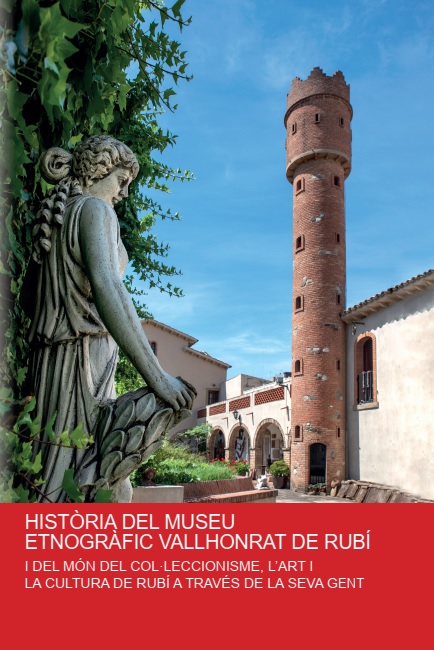
The Vallhonrat de Rubí Ethnographic Museum Foundation presents a book in January 2021 that covers the creation of the museum, the history of the family legacy and gives voice to the world of local collecting.

The director of the Foundation, Mr. Pere Vallhonrat Guiu, presents the book History of the Vallhonrat Ethnographic Museum of Rubí and the world of collecting, art and culture of Rubí through its people , which is divided into two parts: the first, tells the story of the Vallhonrat lineage, the creation of the Museum, reviews some of the pieces exhibited in the eight rooms that make up it and closes with a collection of the most outstanding events. A friendly look at the founders of the Museum and the legacy that after sixty years, has become a cultural reference in the Vallhonrat region and has been recognized with the Creu de Sant Jordi 2019 by the Generalitat of Catalonia.

The second part gives prominence to the world of local collecting, through the testimony of people from Rubin who have made a hobby into a small world.

The book also wanted to dedicate a space to the students of the educational centers who annually make guided visits to the Museum and work on the Educational Files prepared for each school stage, with a drawing contest that rewards the artistic and personal vision that this experience has transmitted to them. The winning drawings and the finalists are also part of this book.

University Extension Classroom in the Vallhonrat Auditorium.

Agreement with the University Extension Classroom.

The Foundation of the Ethnographic Museum Vallhonrat in Rubí and the city’s University Extension Classroom (AEUR) signed a collaboration agreement on September 15, 2020, by which the AEUR will organize new cultural activities within the premises of the Vallhornat auditorium. The agreement was signed by the head of the Foundation of the Ethnographic Museum Vallhonrat, Pere Vallhonrat, and by the members of the University Extension Classroom Rosa M. Andrés, Rafael Rusiñol and Lluís Bogunyà.