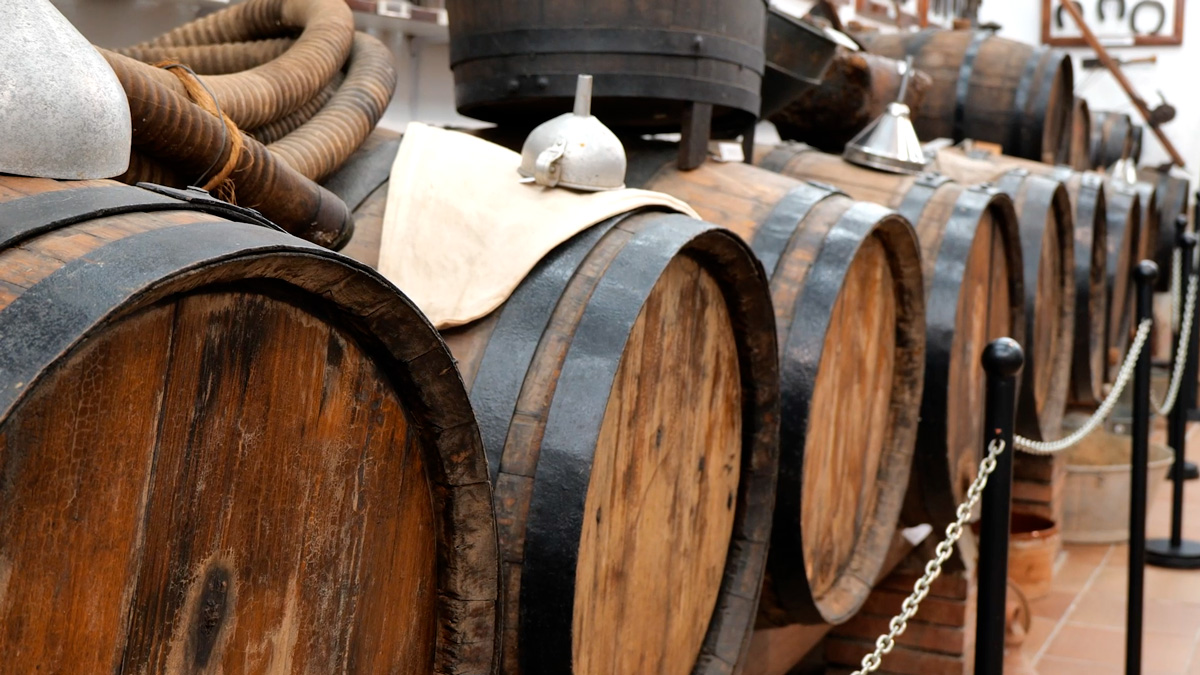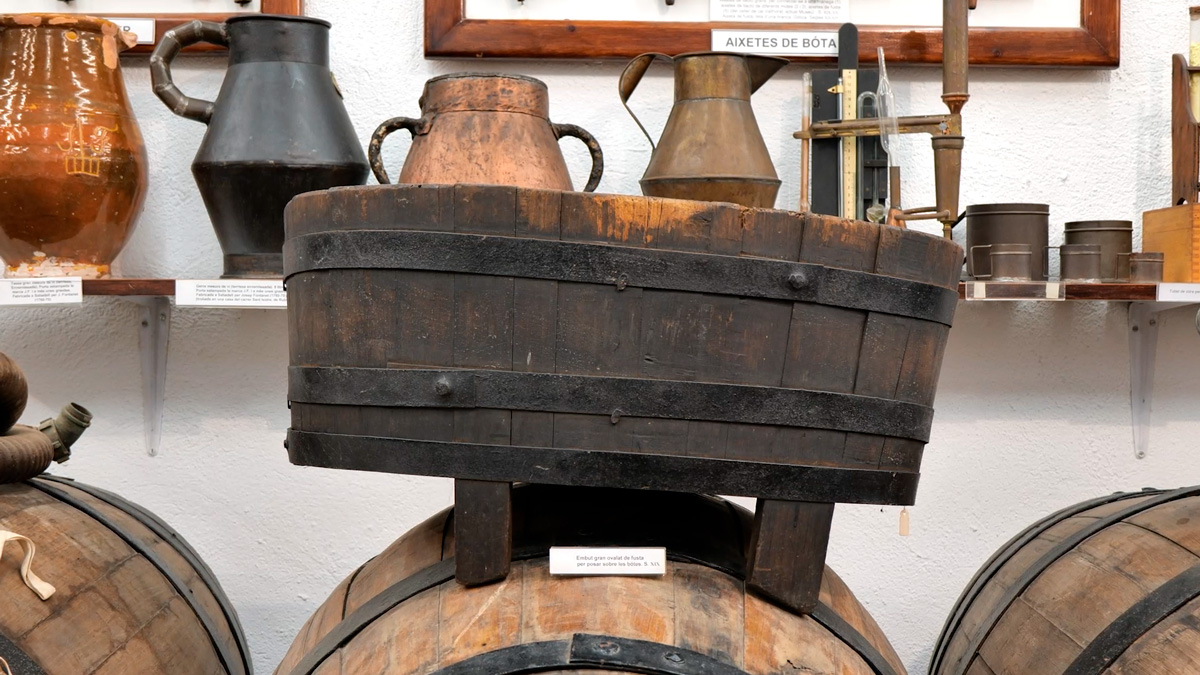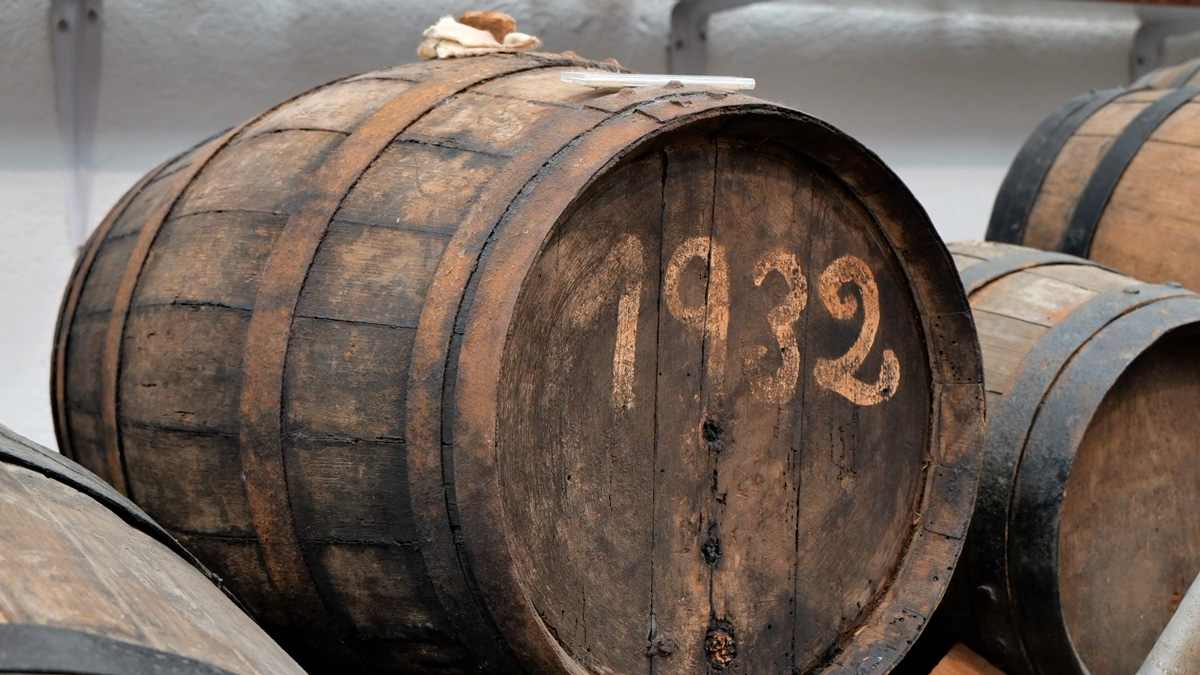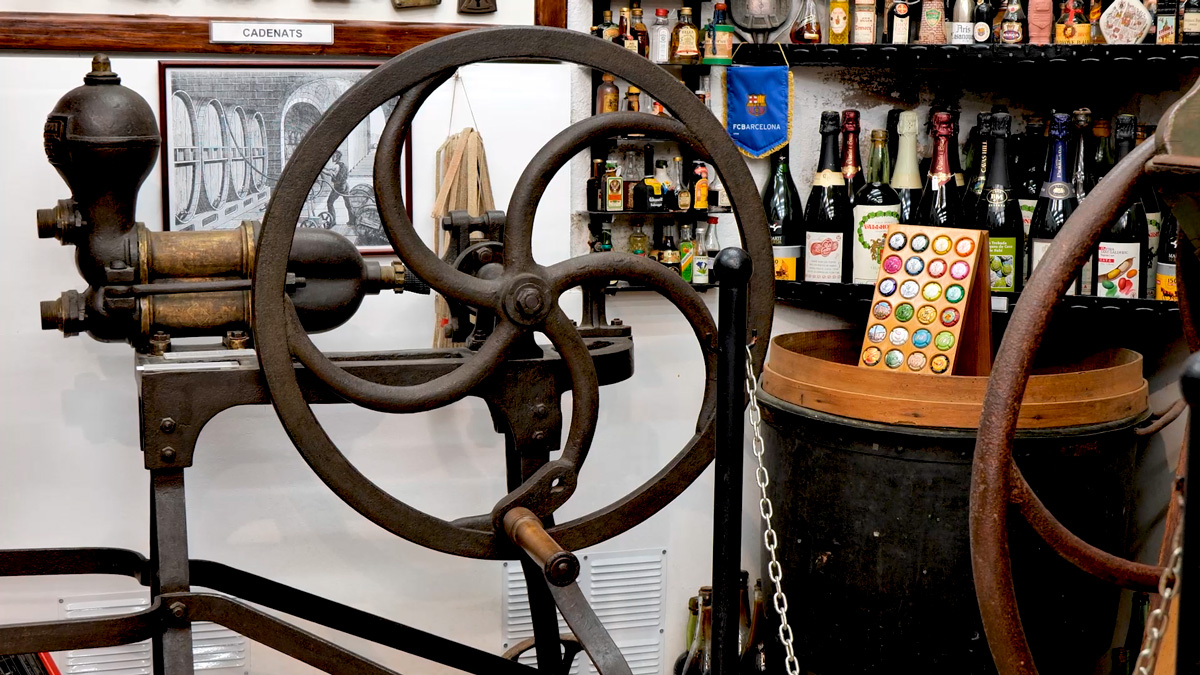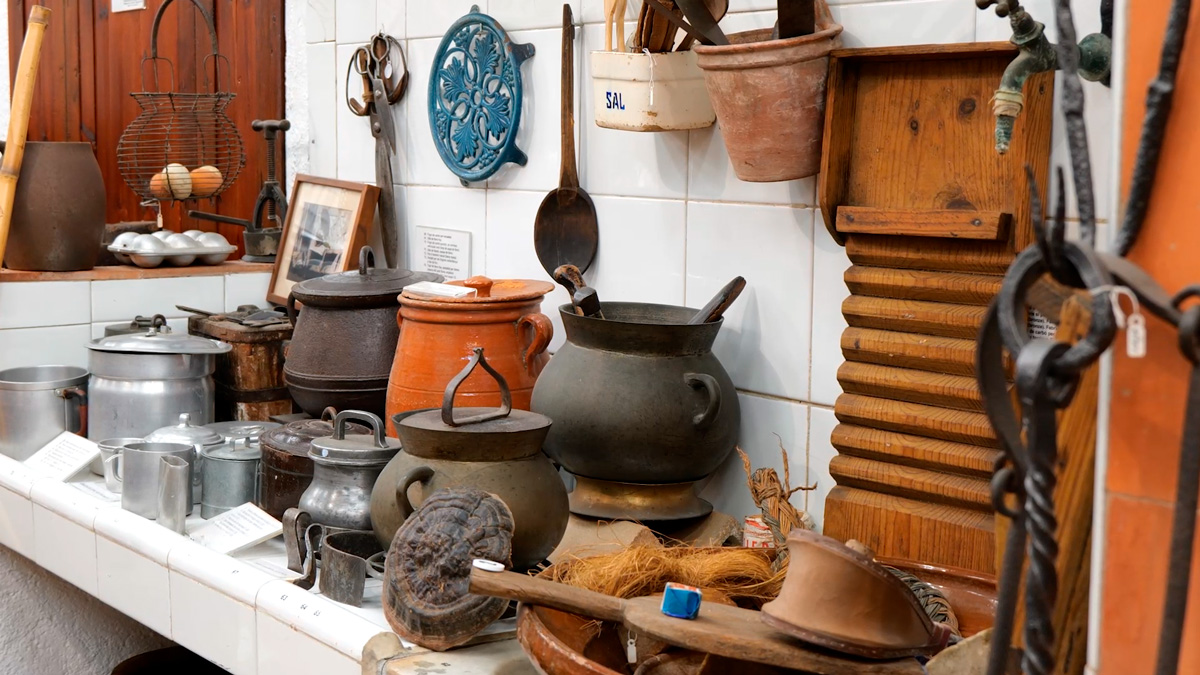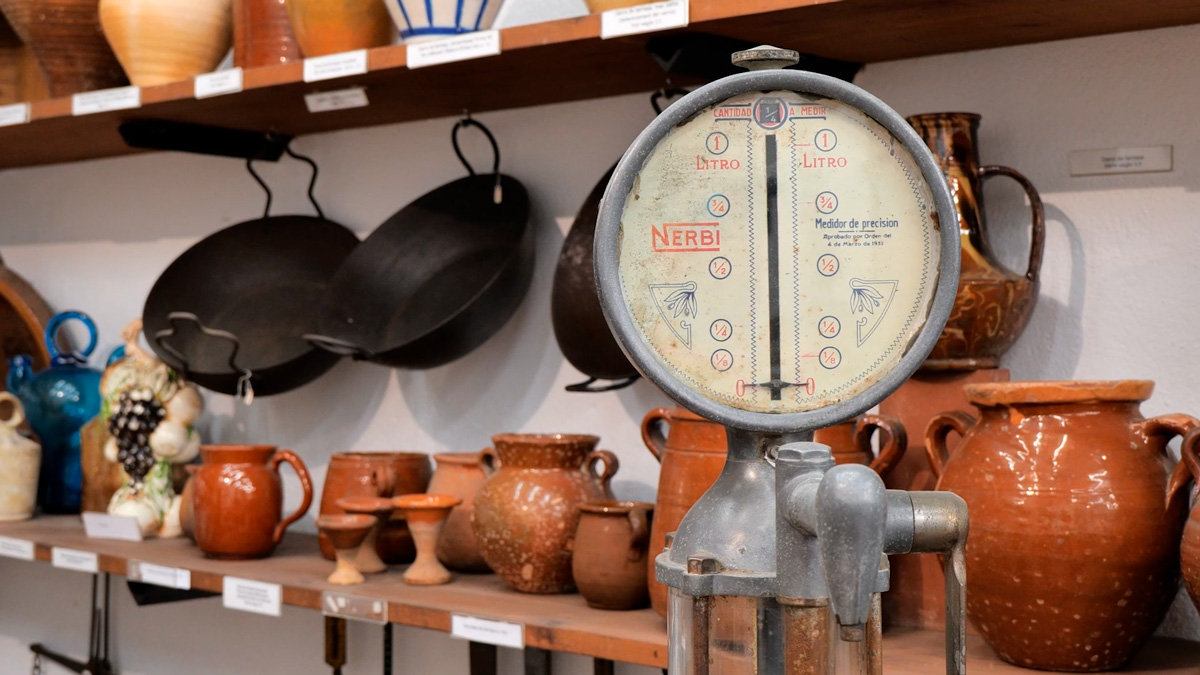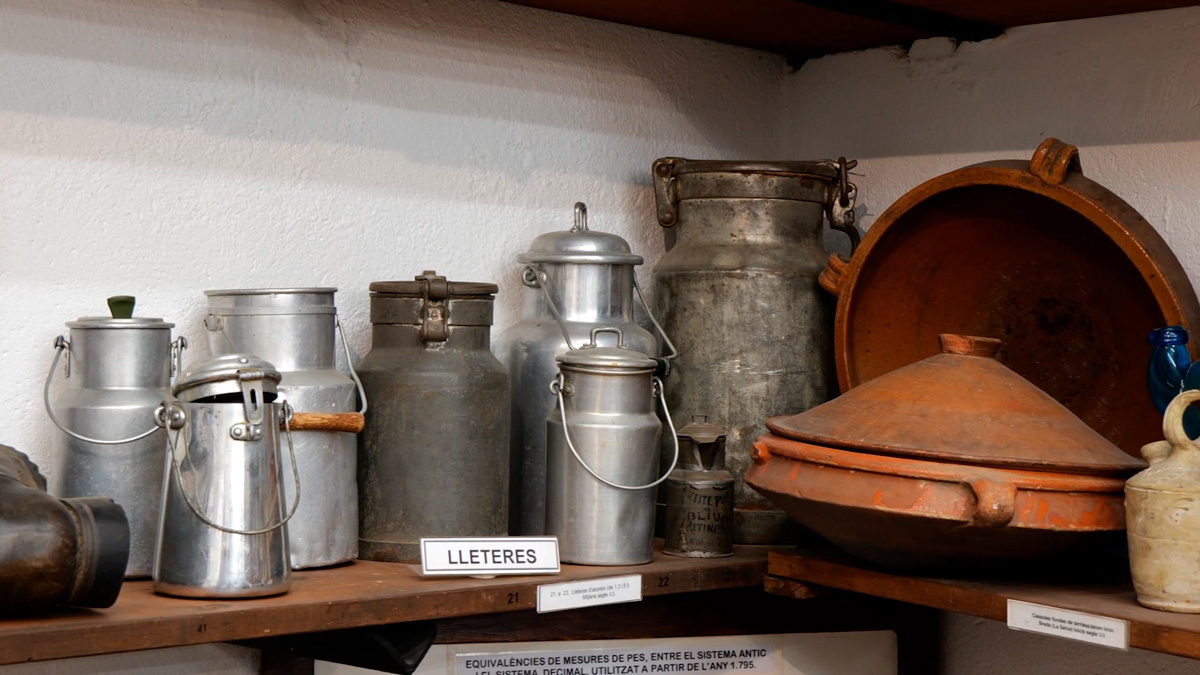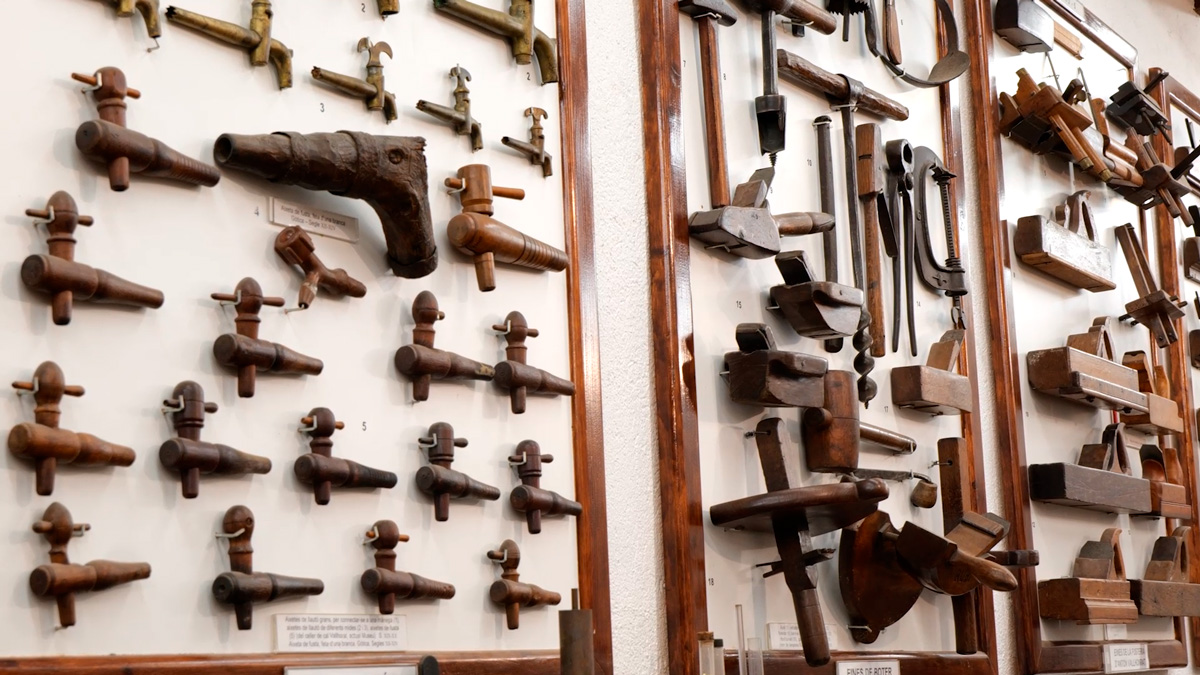

You only have to open the cellar door to be fascinated by the smell of the twenty chestnut and oak barrels that were part of the Masia Vallhonrat cellar. We can see objects that have allowed the grapes to be transformed into wine, from the gates to the crusher, the buckets and the barrels. This exhibition culminates with a wide assortment of taps (the oldest from the Gothic period), dating between the 12th and 14th centuries. The trade of the botter is the one that is best represented and recalls the long winemaking tradition that prevailed in the town until the mid-20th century.
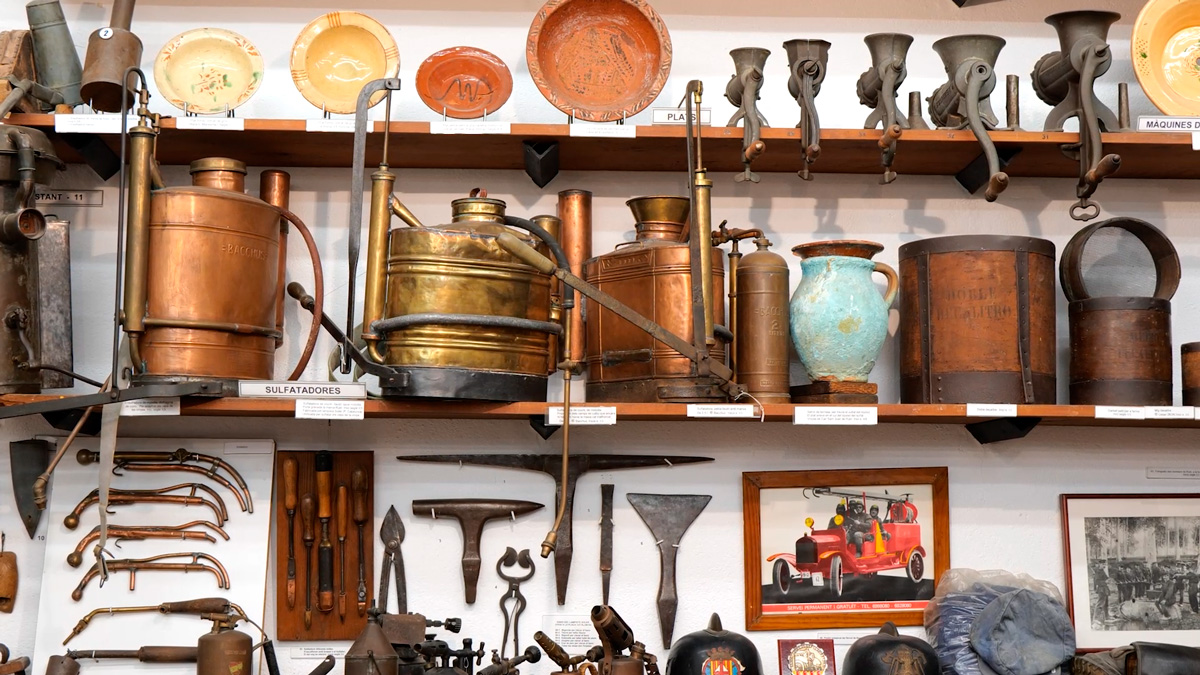
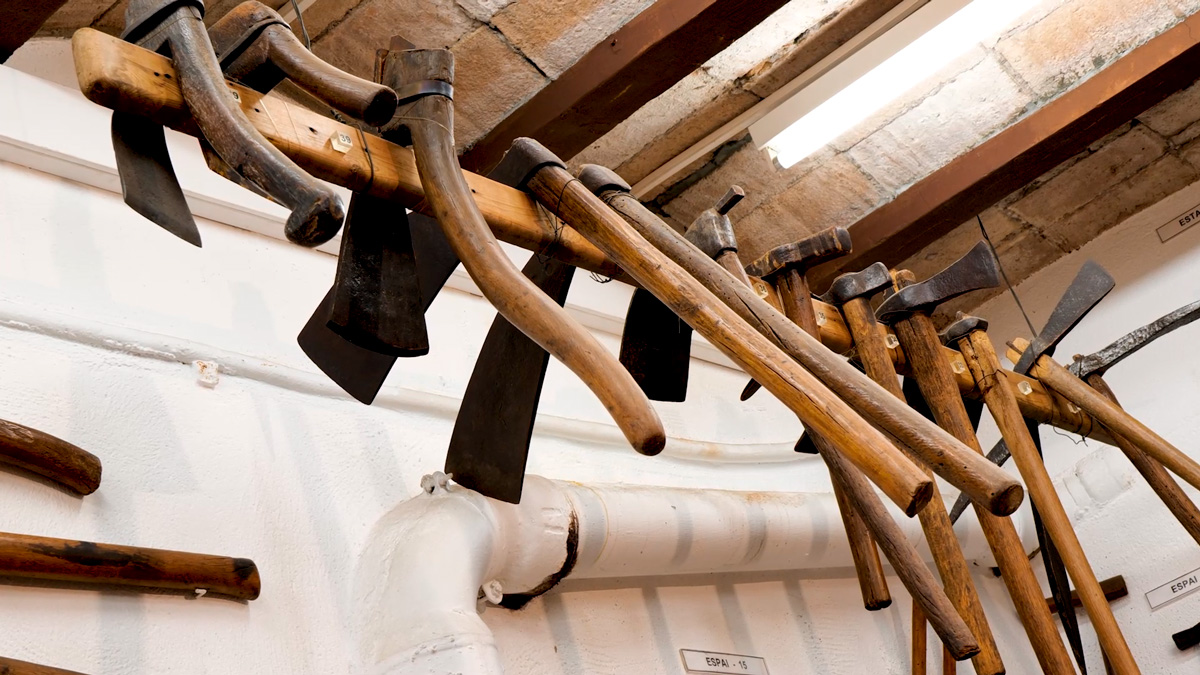
This room houses an important collection of the guild world with representation of sixteen trades, each of them with the original tools. For many years these utensils have worked in the hands of the city’s artisans, in trades that have now disappeared or have evolved due to new technologies. Utensils like the artisan’s bread, like the carpenter Anton Vallhonrat’s toolbox from 1880.
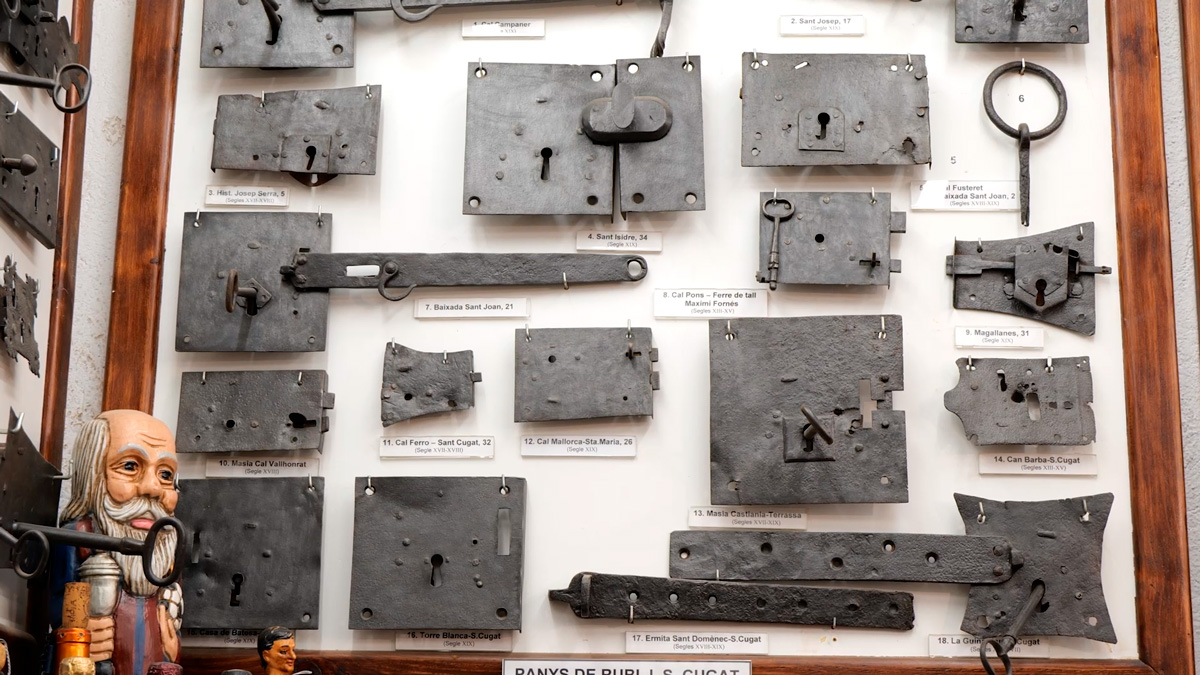
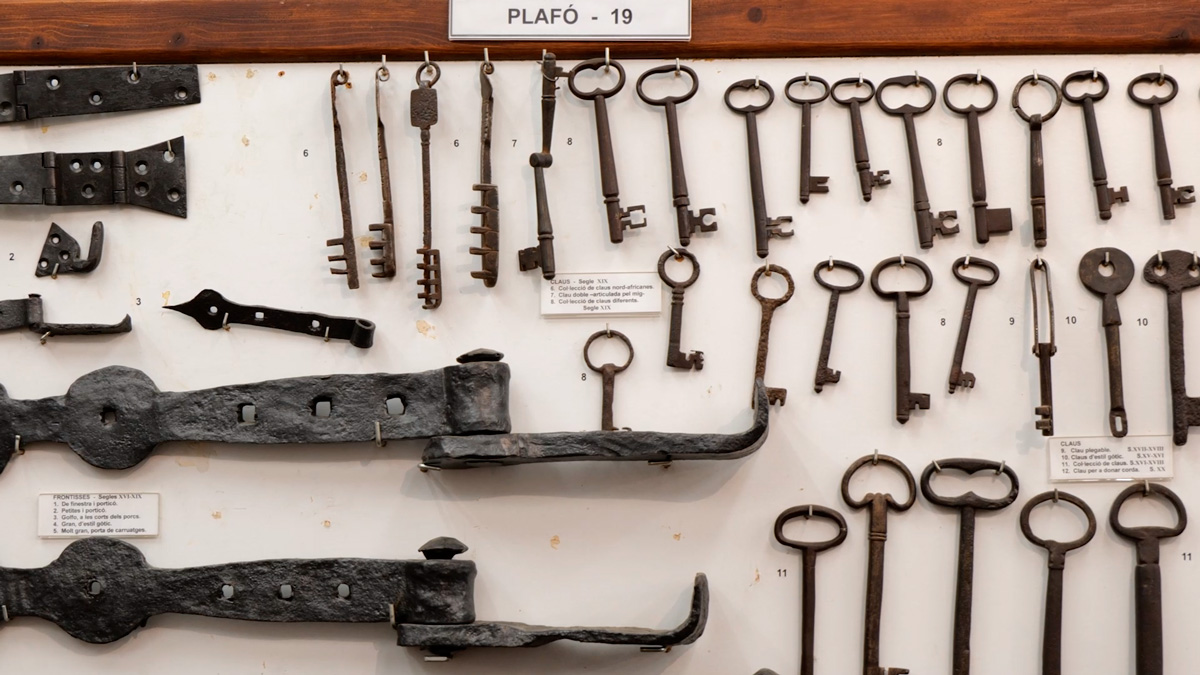
The room is completed by a magnificent collection of door locks from the farmhouses of Rubí, Castellbisbal and Sant Cugat, dating between the 13th and 19th centuries. At the beginning of the 20th century there were still many farmhouses in the region, but with the arrival of industrialization, steam engines gave way and many of the farmhouses were abandoned. In the panels we also find a sample of highly decorated locks and mortises that embellished the doors of the farmhouses accompanied by a set of padlocks and keys.